CD Projekt Red just updated The Witcher 3 minimum requirements for 2026. Here is what changed, what it means for your PC, and whether older hardware can still run it.
The Witcher 3: Wild Hunt launched in 2015 and has been running on modest hardware ever since. A GTX 660 and an i5-2500K were the original floor, numbers that aged remarkably well across a decade of updates including a full next-gen overhaul in 2022. For eleven years the game remained one of the most accessible open world RPGs on PC, playable on hardware most people already owned.
That changed last week. CD Projekt Red announced updated minimum requirements tied to new content coming to the game, and the new floor is meaningfully higher than what players have been using since launch.
What the New Requirements Actually Are
The updated minimums now ask for an AMD Ryzen 5 2600 or Intel Core i5-8400 on the CPU side, an NVIDIA GeForce GTX 1660 or AMD Radeon RX 5500 XT 8GB on the GPU side, 12GB of RAM, 70GB of SSD storage, and Windows 11 as the operating system.
The Windows 11 requirement is the change that will affect the most people. Microsoft ended support for Windows 10 in October 2025, and CD Projekt Red stated directly that without ongoing security updates and continued GPU driver support they will no longer test their games on Windows 10. The same change applies to Cyberpunk 2077. If you are still running Windows 10, both games will continue to function, but official support and testing stops there.
The GPU jump is also significant. Going from a GTX 660 to a GTX 1660 is roughly three generations of Nvidia hardware. The GTX 1660 launched in 2019, which means hardware from before that year no longer meets the official minimum. Anyone running a GTX 970, 980, or 1060 sits below the new floor on paper, though in practice those cards will likely continue running the existing game without the new content at acceptable performance levels.
RAM increasing from 6GB to 12GB and storage moving to SSD only are the other two changes worth flagging. The SSD requirement reflects where game development has moved across the industry. HDD loading times create inconsistent experiences at the engine level, and CD Projekt Red has aligned with the standard most major studios have adopted since the current console generation launched.
Why the Requirements Changed Now
The update is tied to Songs of the Past, the tenth anniversary DLC that brings a new Geralt adventure to the game. New content means new assets, updated engine work, and compatibility requirements that the original minimum specs cannot reliably support. CD Projekt Red was transparent about this reasoning, framing the change as reflecting how hardware capabilities and software usage have evolved rather than making the game arbitrarily more demanding.
The honest read is that a game released in 2015 staying on 2015 minimum requirements forever was never realistic. The next-gen update in 2022 already pushed the recommended specs significantly. The Songs of the Past DLC is finishing that process by pulling the minimum floor up to match where the game actually runs now.
What This Means for Your Setup
If you are running a GTX 1660 or better, a Ryzen 5 2600 or i5-8400 or better, 12GB or more of RAM on an SSD with Windows 11, you meet the new minimum. Performance at minimum spec will target 1080p at the lowest settings. The recommended specs for comfortable 1080p gameplay sit higher, around a GTX 1070 or RX 5700 class GPU paired with a more recent processor.
For ray tracing, the requirements climb to an RTX 3080 class GPU, which has been the case since the next-gen update and has not changed with this revision.
Players on older hardware who do not upgrade to Windows 11 or do not meet the new GPU requirement can still play the existing game. The update and the DLC simply will not be officially supported on those configurations. Whether they run or not in practice will depend on individual setups.
The Bigger Picture
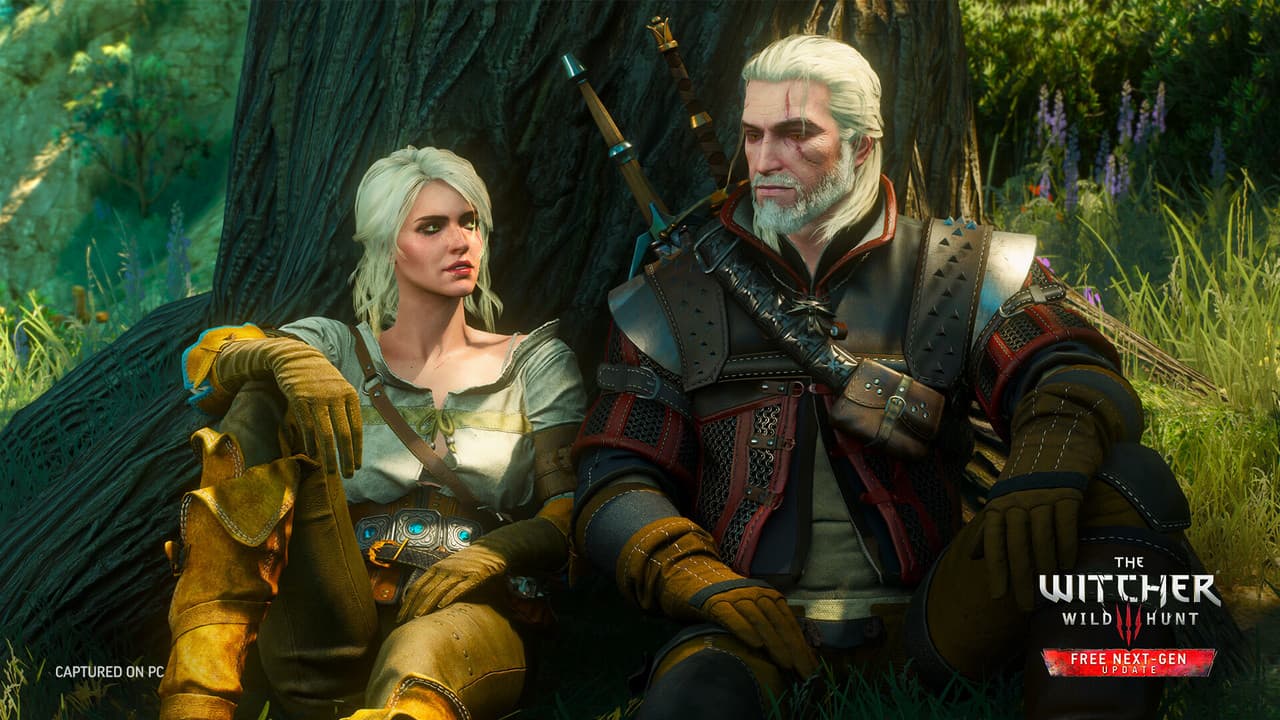
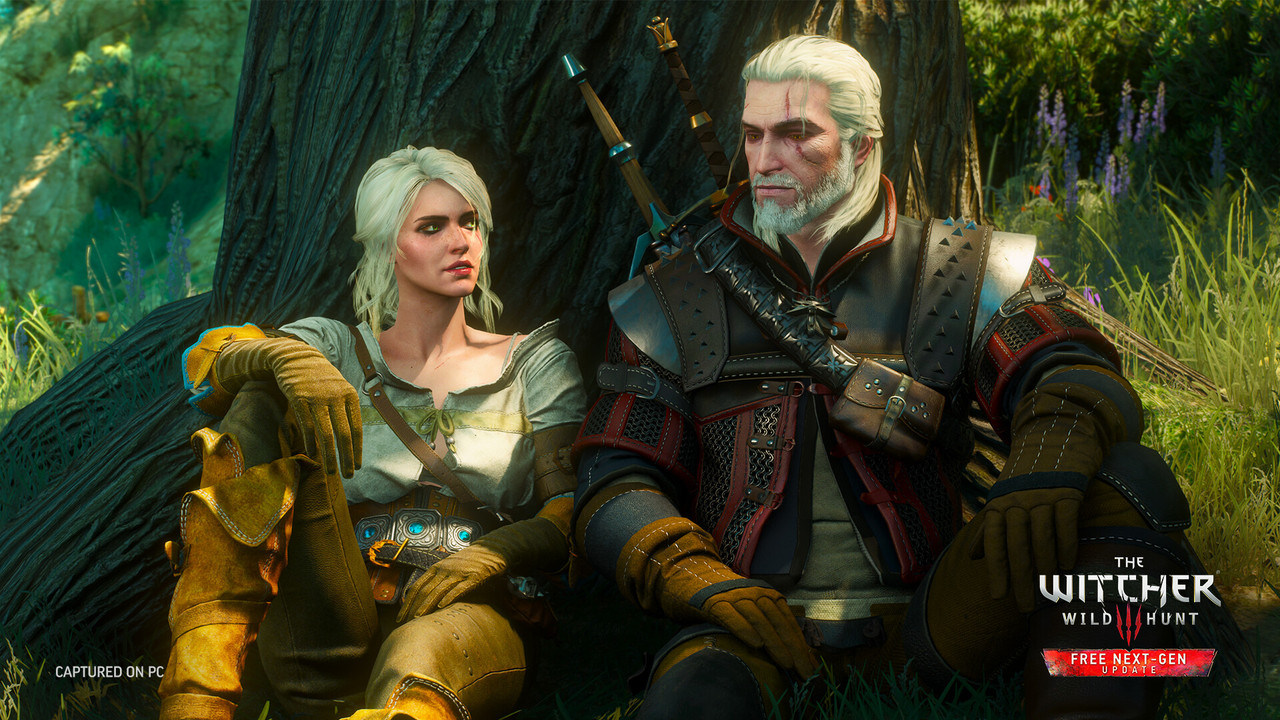
The Witcher 3 adding new story content in its tenth year is the more interesting headline underneath the system requirements discussion. Songs of the Past arriving as a free DLC for existing owners, bringing new Geralt content to one of the most acclaimed RPGs ever made, is the kind of post-launch support that keeps a game in active conversation years after its peers have been forgotten.
The system requirements update is the administrative footnote to that announcement. For most players running hardware from the last four to five years, nothing about their setup needs to change.

Written by
kio
Hello, good to see you here.❤️
daddykio@proton.me
Stay in the loop
Get the latest gaming news and reviews delivered to your inbox. No spam, unsubscribe anytime.