Phantom Blade Zero launches September 9, 2026 on PS5 and PC. Here is why this wuxia action RPG from a Chinese studio is one of the most interesting games of the year.
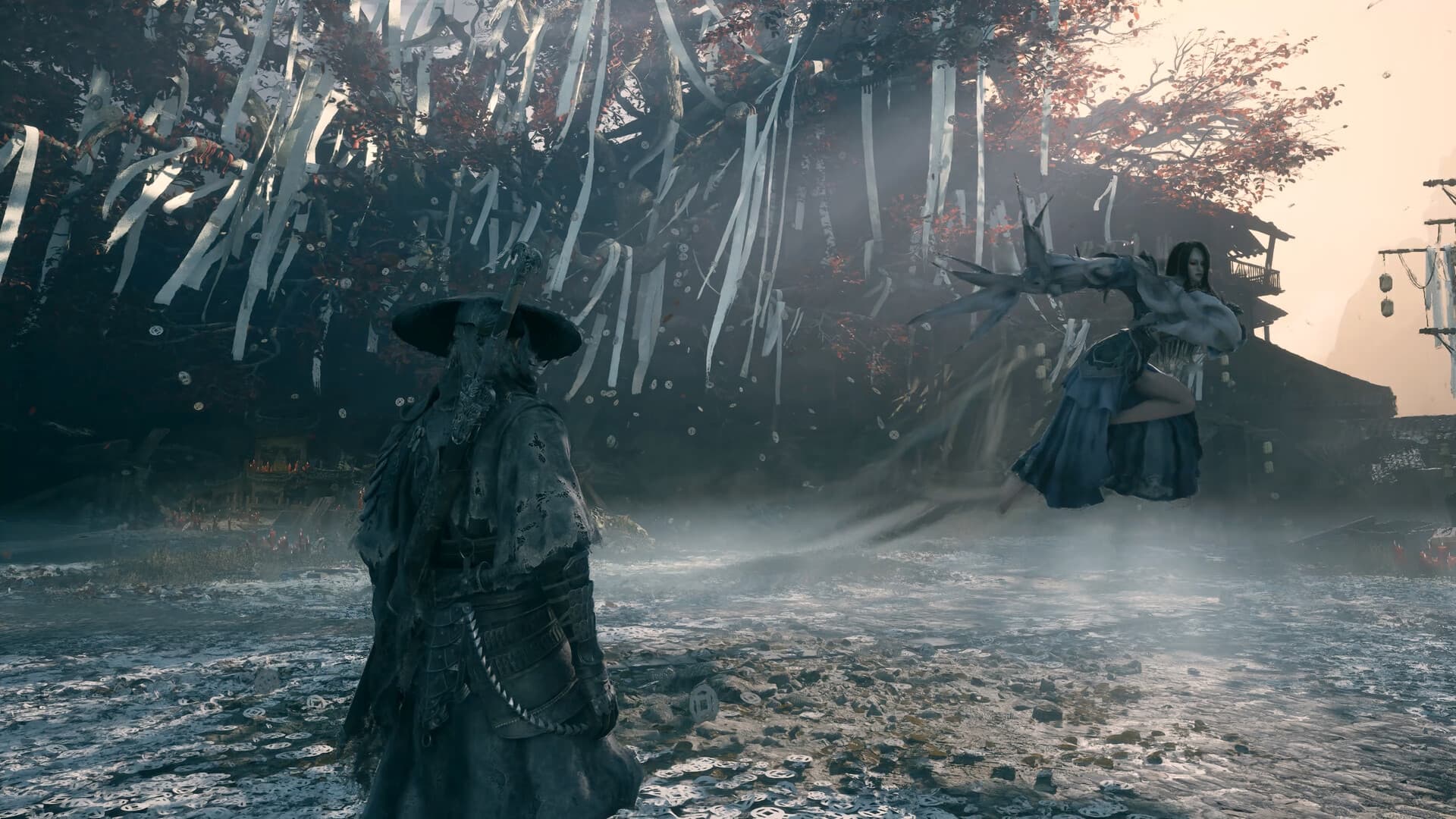
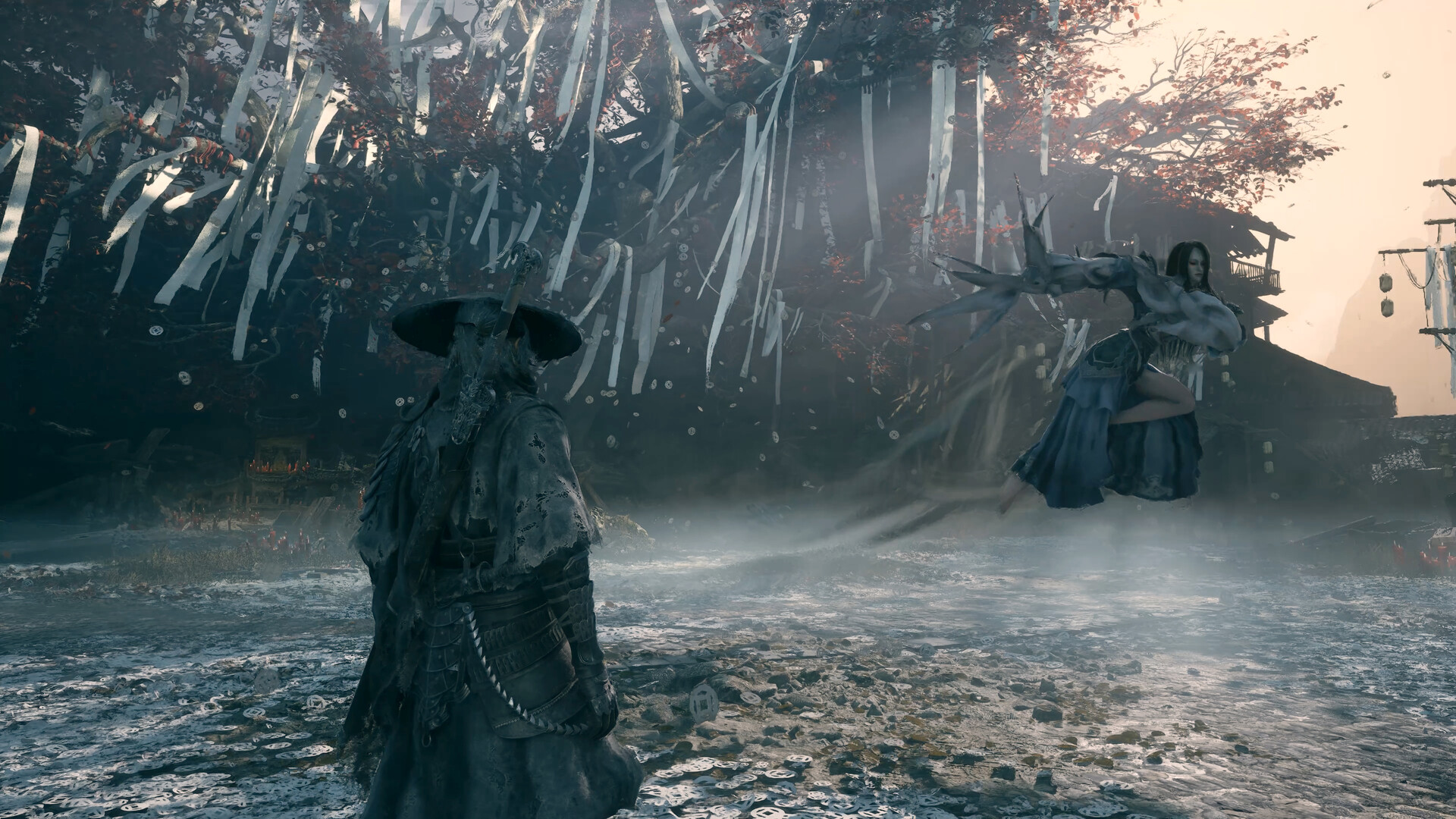
The trailer that S-Game showed at The Game Awards 2025 did something most action game trailers fail to do in 2026: it made people stop comparing what they were watching to something else they already knew. The combat looked fast enough to be character action but grounded enough to feel consequential. The setting looked Chinese but not in the way Western games usually handle Chinese aesthetics, decoratively rather than structurally. The confirmed September 9, 2026 release date landed and the conversation that followed was not about whether it would be good. It was about how good.
Three months out from launch, here is what the game actually is and why the reaction was justified.
Soul and the 66-Day Clock
The protagonist is Soul, an assassin who works for an organisation called the Assembly. A failed mission triggers the activation of Soul's Dark Abyss, a death mechanism built into Assembly operatives that gives them 66 days to live unless they can eliminate the one who activated it. That timer is not a gameplay mechanic displayed on screen. It is a narrative pressure that shapes every conversation, every decision, and the urgency underneath a story that would otherwise risk feeling leisurely in its world-building.
Soul is not starting from nothing when the story begins. He is a trained killer with an established reputation, a network of contacts, and a reason to survive that is personal rather than cosmically significant. The scale stays human even when the enemies and the environments reach toward something mythological.
The world draws from wuxia tradition, Chinese martial arts fiction, and what S-Game calls kungfupunk, a blending of traditional aesthetics with darker, more industrial design sensibilities. Bamboo forests and ancient temples exist alongside machinery and architecture that suggests a civilisation advanced in ways that do not map cleanly onto historical periods. The result is a setting that feels specific rather than borrowed.
What Combat Actually Feels Like
The Soulslike comparison appears in every article written about this game and it is partially accurate and mostly misleading. Soul is not a cautious character. He does not stagger backward from every hit absorbed while carefully managing a depleted stamina bar. He moves through enemies with the kinetic confidence of a martial arts film protagonist, and the combat system rewards that approach rather than punishing it.
Thirty or more weapons are available across the full game. Each handles differently enough that switching between a straight sword and a dual-blade set changes the rhythm of every fight rather than just the numbers. Parrying is present but not mandatory. Perfect dodges create windows that chain into counterattacks. Stealth enables approaches that bypass combat entirely for players who want that option. The system gives you several valid ways to be dangerous and lets you choose which one fits the situation.
The boss checkpoint between phases is the quality of life decision that separates S-Game from studios still making players redo phase one after dying in phase two. Die in the second phase of a boss fight and you restart the second phase. That single decision removes the specific frustration that causes most players to quit challenging games before they finish them.
Four difficulty modes run from Easy to Very Difficult, with a separately confirmed Hellwalker mode available for players who found Very Difficult insufficiently punishing. A Boss Rush mode adds replay value for anyone who wants to revisit the campaign's hardest encounters after finishing the story. Eight different endings respond to player decisions across the campaign, giving completionists a genuine reason to replay rather than a checklist of minor dialogue variations.
The Semi-Open World Structure
The world is not a fully open sandbox. Interconnected regions branch and loop in ways that recall earlier Souls-adjacent structure rather than the vast empty space that open world can sometimes mean in practice. Multiple routes connect areas, shortcuts open as you learn the map, and side content sits inside the main world rather than being flagged on a minimap as activities to complete.
That structure suits the 66-day narrative frame. A protagonist racing against a death timer wandering freely across a beautiful landscape would create tonal whiplash that the semi-open design avoids by keeping momentum feeling directed even when the player is choosing where to go next.
The PS5 Exclusivity Window
Phantom Blade Zero launches September 9 on PS5 and PC simultaneously. Xbox players wait at least twelve months, placing the earliest possible Xbox version in September 2027. That timed exclusivity window is one of the more significant console deals of the year given the game's profile, and it reflects Sony investing in the same category of Chinese-developed action game that produced one of the defining moments of 2024.
September 9 also places Phantom Blade Zero directly against a crowded release window. Wolverine lands September 15, Onimusha hits September 25, and Silent Hill Townfall arrives the same week. September 2026 is the most competitive single month on the gaming calendar in years. For Phantom Blade Zero to land in that window with confidence rather than chasing a quieter slot says something about how S-Game and Sony rate its chances.

Written by
kio
Hello, good to see you here.❤️
daddykio@proton.me
Stay in the loop
Get the latest gaming news and reviews delivered to your inbox. No spam, unsubscribe anytime.