Multiple industry sources say Nintendo is planning an official India launch between February and March 2027. Here is what the rumours say and why this time feels different.
Nintendo has been absent from India officially since the Wii and DS era. Back then the company distributed hardware through Samurai India and a partnership with HCL Infosystems. When those arrangements ended, Nintendo essentially disappeared from Indian retail. For over a decade Indian players who wanted Nintendo hardware bought it through grey market imports, paying inflated prices with no warranty, no official support, and no access to localised pricing.
That decade-long gap may be ending in early 2027.
Multiple industry sources cited by the Day Zero podcast and subsequently picked up across Indian gaming media reported in mid-May 2026 that Nintendo is preparing to officially re-enter the Indian market. The target window is February to March 2027. Redington, one of India's largest technology distributors with an established presence across consumer electronics and gaming, is the reported distribution partner.
Neither Nintendo nor Redington has confirmed anything. This is still firmly in rumour territory. But the specific details, the distributor name, the pricing estimate, and the launch window, carry more weight than the vague India launch speculation that has circulated and gone nowhere multiple times over the past few years.
What Is Actually Being Planned
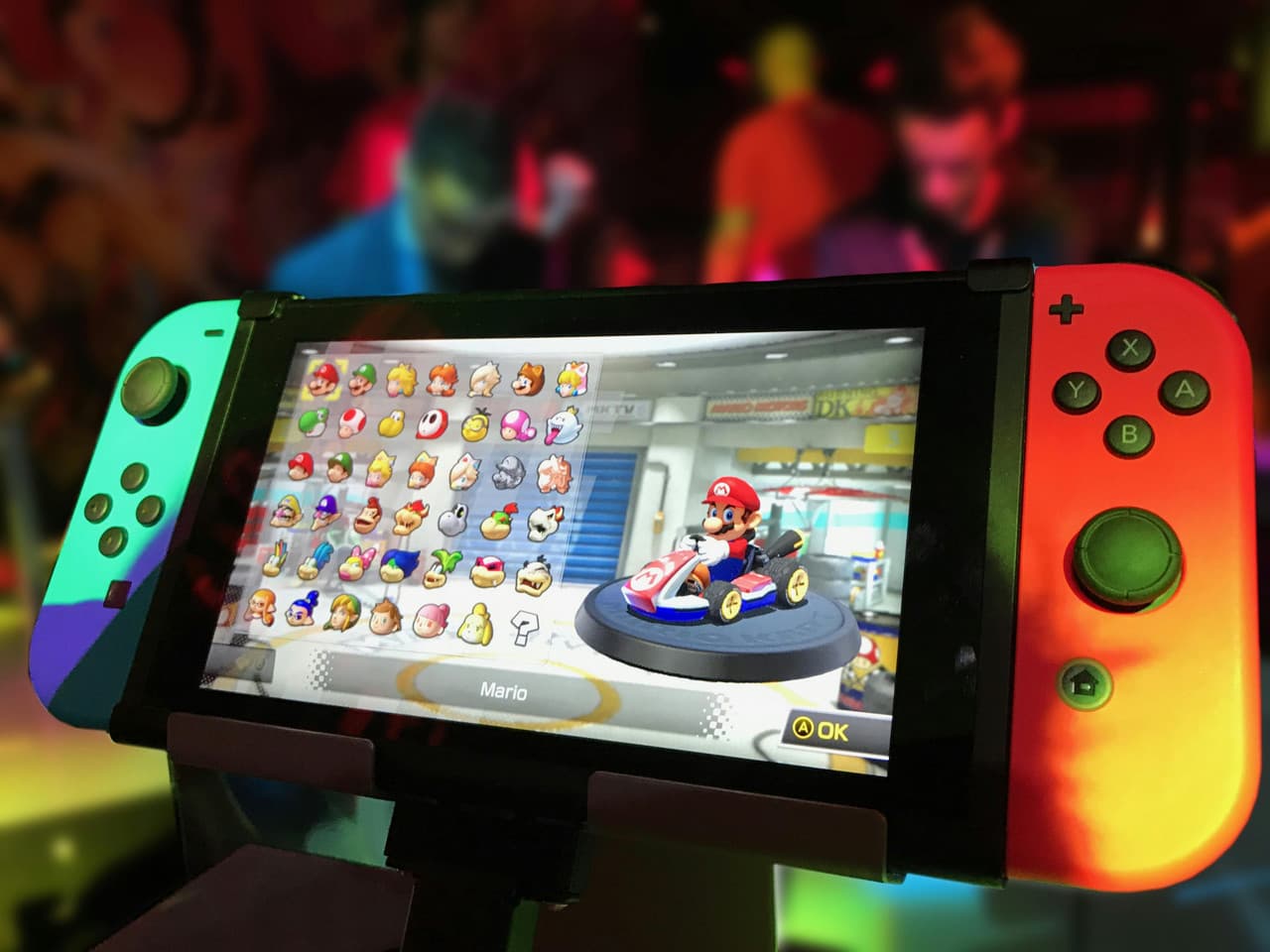
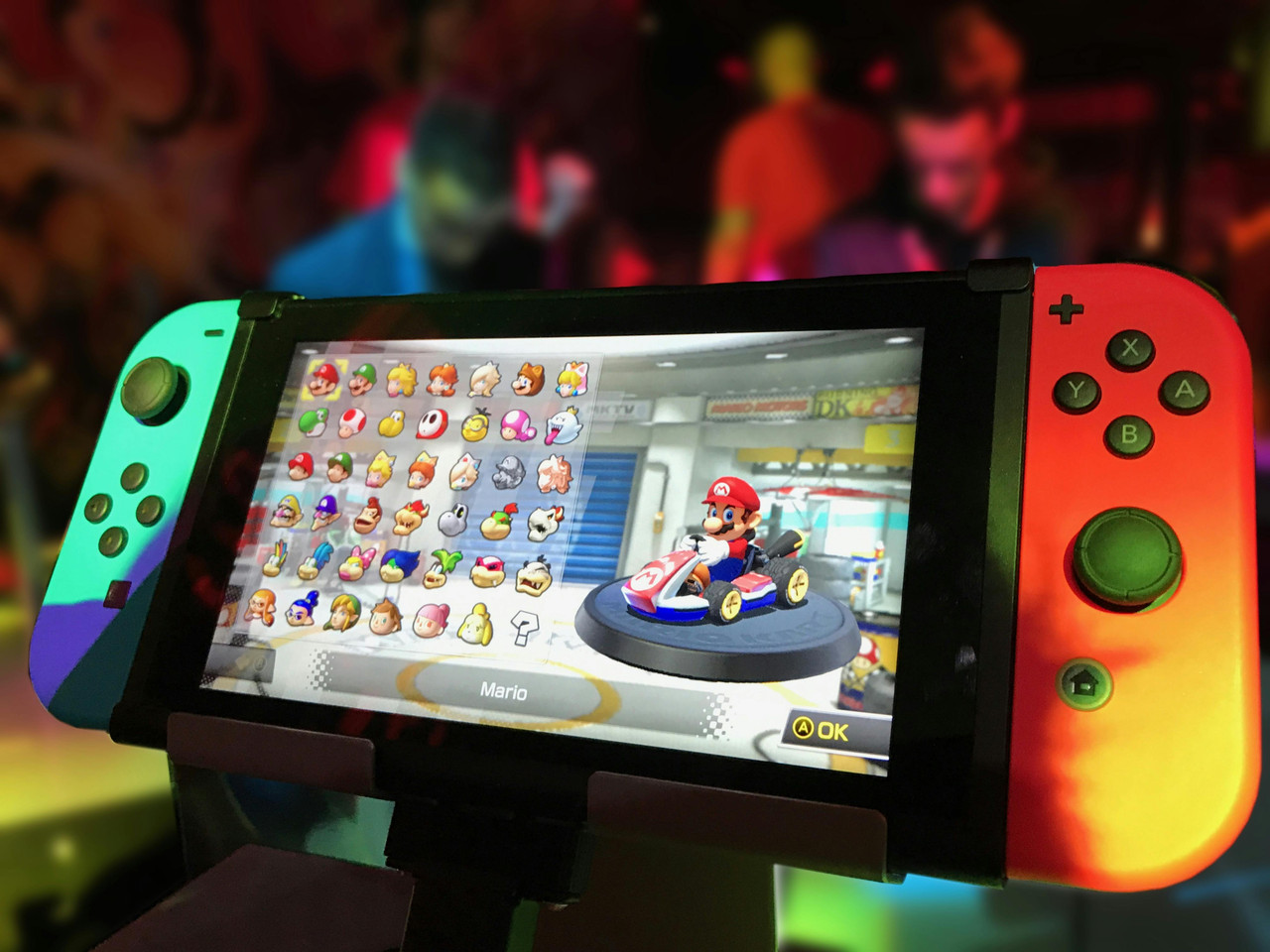
The first detail that surprised the community is the hardware choice. Nintendo is reportedly not launching the Switch 2 in India. The plan as described involves the original Nintendo Switch, the standard non-OLED model, priced at approximately twenty thousand Indian rupees.
That decision makes more strategic sense than it initially appears. The original Switch launched globally in March 2017, which means by February 2027 it will be a ten-year-old console. It is also a console with an enormous software library, a proven family-friendly appeal, and a price point that Nintendo can hit below the current cost of a PlayStation 5 in India. At twenty thousand rupees the Switch would sit significantly more accessibly for the Indian market than any current-generation console.
The strategy reads as a test of the market rather than a full commitment. If the original Switch finds genuine traction through official retail in India, it creates the infrastructure, the distribution network, the retail relationships, the consumer awareness of Nintendo as a brand, that a Switch 2 launch would require to be successful. Entering with the Switch 2 first would mean higher pricing, lower accessibility, and the risk of the entire experiment failing before it has a chance to build momentum.
Why This Matters for Indian Gamers
The grey market situation in India has been the only option for so long that many players treat it as normal. Imported hardware costs significantly more than official pricing in other regions, arrives without warranties, and requires purchasing games through workarounds that official retail would eliminate. An official Nintendo presence means standard pricing, physical game availability at authorised retailers, and warranty support that currently does not exist.
The software angle is equally significant. Pokémon, The Legend of Zelda, Mario Kart, Animal Crossing, and the rest of Nintendo's exclusive library have audiences in India who currently access them entirely through unofficial means or not at all. Official retail changes that completely, and the first-party Nintendo catalogue is strong enough that it does not need a hardware upgrade to justify a purchase for players who have never had legitimate access to it.
The community reaction to the rumours has been mixed in an interesting way. Enthusiasm about official Nintendo availability is genuine and widespread. Frustration about the original Switch being the launch hardware rather than Switch 2 is equally vocal. Both reactions are understandable. A ten-year-old console as a market entry feels underwhelming until you consider that the alternative was nothing, which is what the Indian market has had officially since the DS era.
What Happens After
Industry commentary following the initial reports suggested Nintendo may be using the original Switch to establish retail infrastructure before introducing Switch 2 and eventually Switch 2-native software to the Indian market within the following two years. If that is the actual strategy, the February 2027 launch is step one rather than the full picture.
No official pricing, no confirmed launch titles, no retail partners beyond Redington, and no Nintendo statement exist yet. The February to March 2027 window gives the company roughly eight to nine months to make an announcement before the rumoured launch date arrives.
Indian gamers have been waiting for this for a long time. Whether the rumours hold, and whether the original Switch at twenty thousand rupees is the entry Nintendo actually delivers, will become clear before the year is out.

Written by
kio
Hello, good to see you here.❤️
daddykio@proton.me
Stay in the loop
Get the latest gaming news and reviews delivered to your inbox. No spam, unsubscribe anytime.