Mina the Hollower launched May 28, 2026 and became the highest rated game on Metacritic this year. Here is why Yacht Club Games did it again.
Yacht Club Games spent years crowdfunding and developing Mina the Hollower after Shovel Knight wrapped its final expansion. The Kickstarter raised over 1.4 million dollars. The wait stretched across multiple delays. When it finally landed May 28, 2026, it became the highest rated game of the year on Metacritic within days of release.
That trajectory should tell you something about what Yacht Club built. This is not a studio making a safe follow-up to their most beloved work. Mina the Hollower goes somewhere darker, harder, and stranger than Shovel Knight ever did.
Who Mina Is and Where She Ends Up
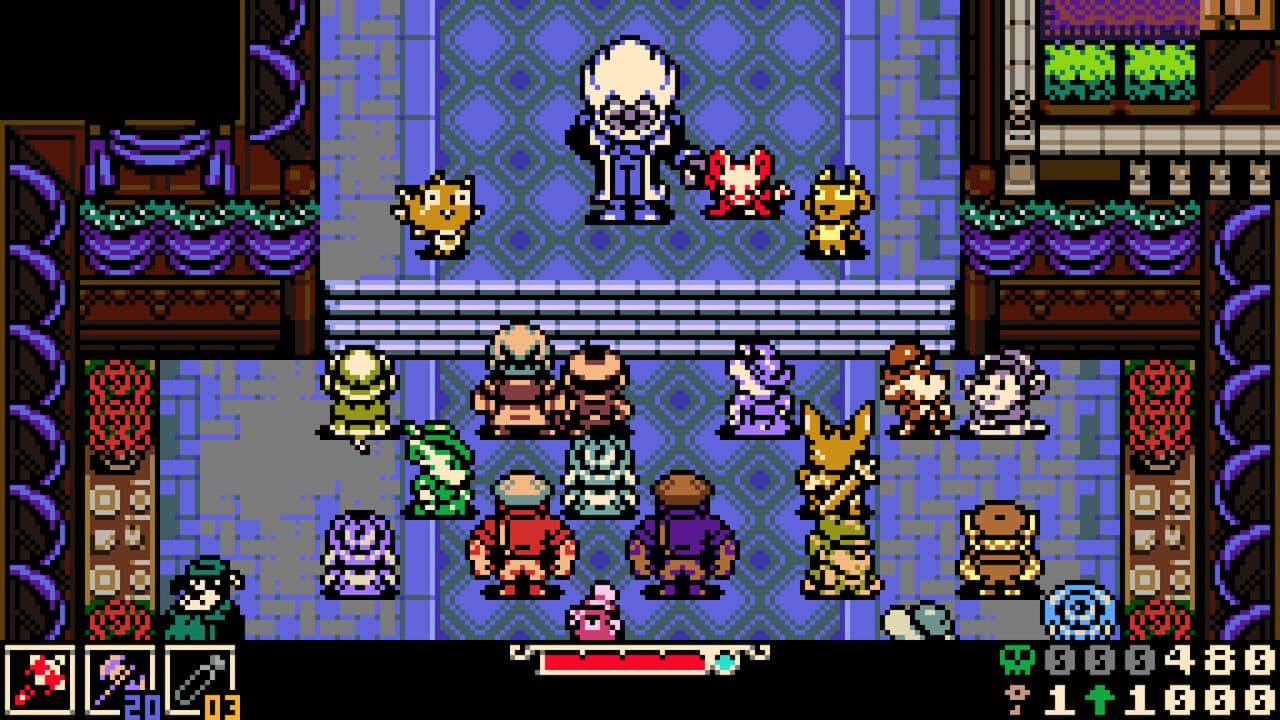
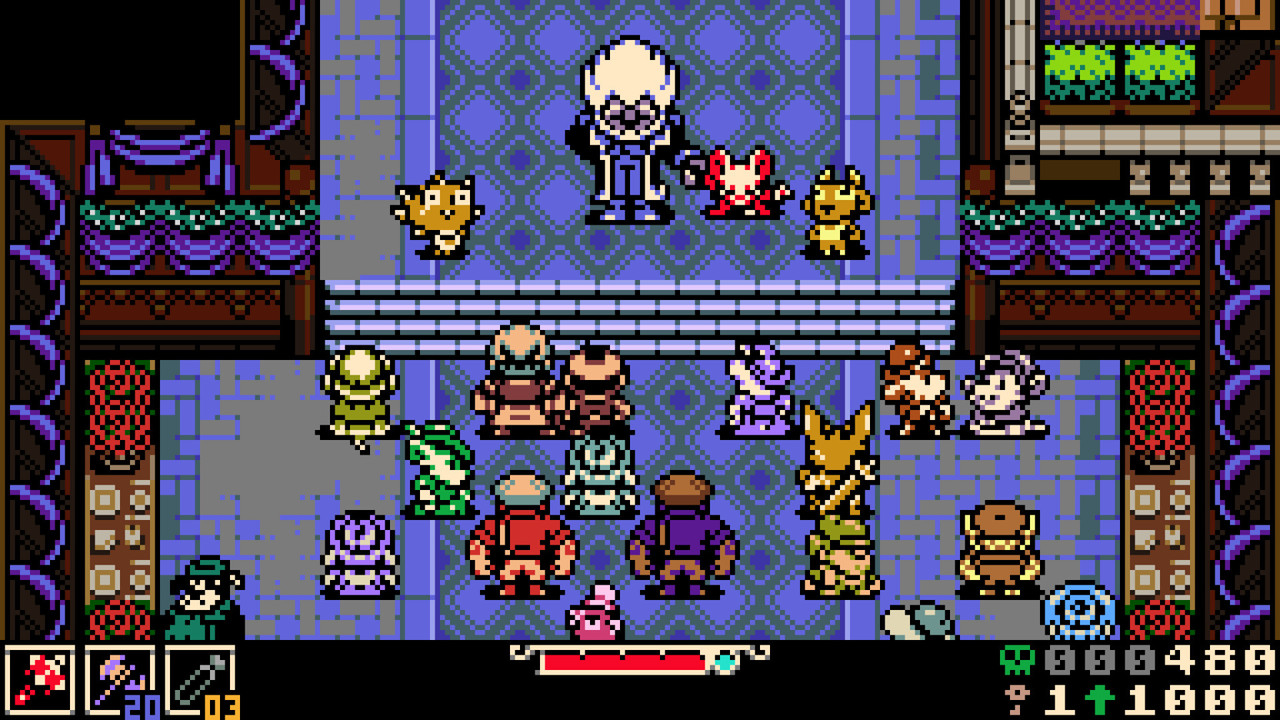
Mina is a mouse. A genius inventor and Hollower, a guild member trained in excavating the earth, she arrives on Tenebrous Isle to investigate why the Spark Towers she designed to power the island have gone dark. Her ship runs aground on arrival. A former friend attacks her. She escapes into the city of Ossex and learns that something called Thorne is dismantling the towers permanently. Six towers across the island need relighting. The quest begins.
The setup deliberately echoes Link's Awakening, a ship crash landing on a mysterious island that holds secrets the protagonist slowly unravels. Yacht Club leaned into that comparison rather than hiding from it. Tenebrous Isle is haunted in the specific way that Link's Awakening's Koholint Island was haunted, beautiful on the surface with something deeply wrong underneath. Where Link's Awakening resolved into melancholy, Mina the Hollower goes somewhere harder in its final hours.
The Hollowing Mechanic Changes Everything
Most top-down action games give you a dodge roll. Mina can burrow underground. Pressing the hollow button sends her beneath the surface for a brief window during which she is completely invincible, can cross short gaps, and repositions faster than any standard movement option allows. The animation is immediate and the invincibility is real, which means learning when to go underground versus when to stay on the surface and fight is the core skill the game builds across its entire runtime.
This changes how every encounter plays. Enemies that would be overwhelming in a straight fight become manageable when you learn their attack patterns well enough to burrow through the dangerous moments and surface inside their guard. Boss encounters are designed entirely around this rhythm, creating fights that feel genuinely earned when you crack them rather than frustrating when you do not.
The starting weapon choice shapes the whole experience. A whip, twin daggers, or a large hammer are the three options. Each handles differently across the same enemy types and environments. The whip covers four directional attacks with range but requires positioning. The hammer hits hardest and slowest. The daggers reward aggressive close-quarters play. You cannot change your primary weapon mid-game, which makes the opening choice matter in a way most games avoid to prevent player regret.
Sidearms sit alongside the primary weapon as secondary tools: throwing axes, boomerang knives, a poison gas pump. Trinkets slot into a separate system providing passive buffs and additional abilities. Both upgrade across the campaign and the resource management between them gives the progression a depth that extends well beyond simply levelling up a single number.
The Difficulty Is the Point
Mina the Hollower launched to the predictable split between critics who loved its uncompromising challenge and players who found it too punishing on initial contact. Both camps are responding honestly to the same design. The game does not guide you toward upgrades. It expects you to explore, find them, and return to encounters better equipped. Players who stopped early before finding dodge upgrades, additional healing vials, and the revive mechanic wrote reviews about a brutally difficult game. Players who engaged with the upgrade system found it opened steadily into something extremely manageable.
The difficulty options are present. Accessibility settings exist. Achievements lock behind them, which frustrated some players, but the default experience is built around the same bold design philosophy that made original Game Boy Zelda games memorable despite being genuinely hard by modern standards.
Jake Kaufman returns as composer alongside Yuzo Koshiro, the legendary creator behind Streets of Rage and ActRaiser. The soundtrack is exceptional and knowing Koshiro contributed makes certain pieces of music hit differently.
Available on Switch, Switch 2, PS5, PS4, Xbox Series X and S, Xbox One, PC, Mac, and Linux. Twenty dollars at launch. For the price and the quality of what Yacht Club delivered, that is one of the strongest value propositions in gaming this year.

Written by
kio
Hello, good to see you here.❤️
daddykio@proton.me
Stay in the loop
Get the latest gaming news and reviews delivered to your inbox. No spam, unsubscribe anytime.