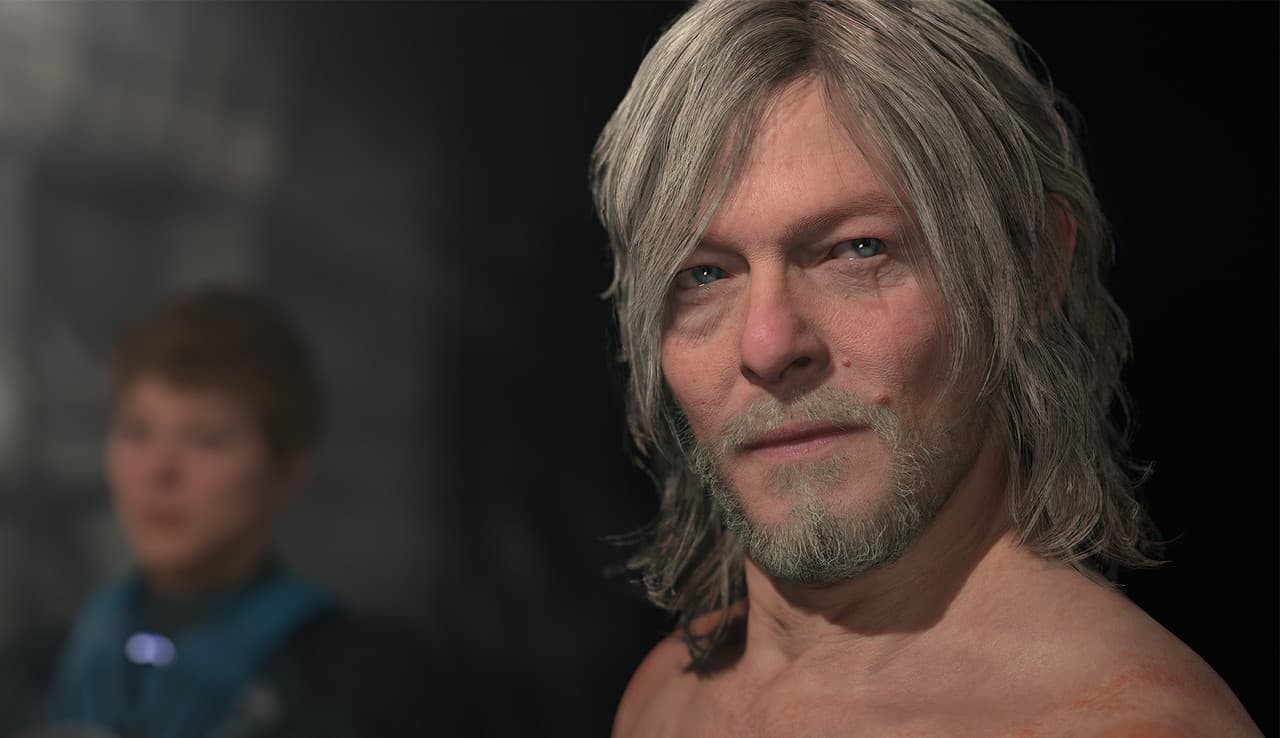
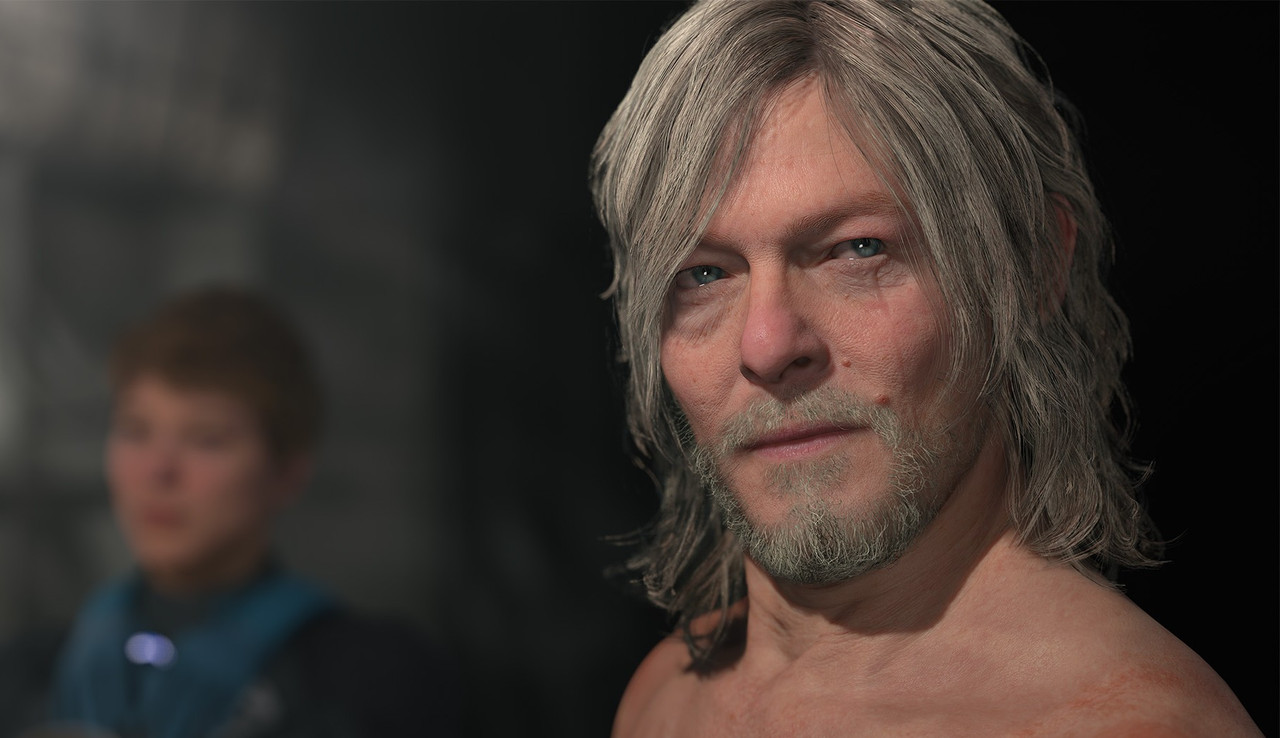
Death Stranding 2 On The Beach launched June 26, 2025 on PS5. Kojima went bigger, stranger, and somehow more emotional. Here is the full review.
The original Death Stranding launched in 2019 and immediately divided everyone who played it. Some found it one of the most meaningful gaming experiences of their lives. Others found it a beautiful walking simulator that asked too much patience in exchange for too little action. Both responses were legitimate. Kojima Productions built something so singular that a clean consensus was probably never going to happen.
Death Stranding 2: On The Beach launched June 26, 2025, and the division is smaller this time. Not because Kojima compromised the vision, but because he built on it with more confidence and more clarity about what he was actually making.
Sam Is Not Where You Left Him
The sequel begins with Sam Porter Bridges living quietly in Mexico, away from the United Cities of America and the weight of everything that happened in the first game. He has Lou, his BB. He has a small corner of the world that belongs to him. He is not interested in being pulled back into anything larger than that.
The story does not respect that wish. Circumstances drag Sam into a new mission spanning Mexico and Australia, two landscapes that could not be more different from the American terrain of the original game. The geographical shift is deliberate. New environments mean new traversal challenges, new factions, new strand mechanics, and a world that cannot be navigated using memory of the first game.
The cast around Sam expanded significantly. Elle Fanning joins as a central character. Luca Marinelli and Alissa Jung play Neil and Lucy, two characters sharing a complicated history whose relationship feeds directly into the story's emotional core. Troy Baker's presence carries Metal Gear echoes that feel intentional rather than accidental. The performances across the board are the strongest the series has delivered, and the blend of live-action and in-engine footage that defines Kojima's cinematic approach lands with more control here than in the original.
What Changed About How It Plays
The first Death Stranding was demanding in specific ways. Traversal required constant attention to terrain, cargo balance, stamina, and weather. Every delivery felt earned because the game never let you forget how difficult the journey was. Death Stranding 2 expanded the tool set significantly, and that expansion lowered the friction in ways the community has not entirely agreed on.
New vehicles, improved traversal options, and a combat system with considerably more depth than the original all make On The Beach more immediately accessible. The argument against this is that the struggle was the point, that the original's difficulty created the emotional attachment to the world it was trying to build. The argument for it is that those same tools enable more ambitious mission design that the original's constraints would not have allowed.
Both sides of that argument are honest responses to real design decisions. Where the first game punished every mistake with physical feedback, the sequel rewards curiosity and forward momentum. The tone of the experience shifts accordingly.
Combat arrives as a genuine system rather than an afterthought. Enemies have distinct behaviours, weapons have real differentiation, and stealth and aggression are both viable approaches depending on the situation. For players who found the original's combat underdeveloped, On The Beach addresses that criticism directly.
The Strand System Grew Up
The asynchronous multiplayer that made the original so quietly remarkable, leaving structures and supplies for strangers who would never know your name, returned and deepened. The sense of a shared world built by invisible collaborators is stronger in the sequel because the infrastructure players can leave behind is more varied and more useful across more terrain types.
Crossing a river another player bridged days ago still produces the same wordless gratitude that made the first game feel unlike anything else. On The Beach adds enough new strand mechanics that the feeling of encountering another player's contribution never becomes routine.
Where It Stands
Critics described it as one of the greatest games ever made. Some players found it flew under the radar despite that praise, overshadowed by a dense 2025 release calendar. The PC version arrived later, bringing the full experience to players who missed the PS5 launch window.
The story goes to places the original did not attempt. The emotional weight in the final third is the kind that stays with you past the credits in ways that justify every strange, slow, beautiful hour that preceded it.
Death Stranding was always about connection. On The Beach is about what connection costs and what it is worth paying anyway.

Written by
kio
Hello, good to see you here.❤️
daddykio@proton.me
Stay in the loop
Get the latest gaming news and reviews delivered to your inbox. No spam, unsubscribe anytime.