Valve's Deadlock has been in closed testing for over a year with no official release date in sight. Late 2026 is the best estimate anyone has. Here is everything worth knowing about the game right now.
Valve does not rush games. Anyone who has followed the company long enough already knows this, and Deadlock is shaping up to be no different. The game has been in invite-only testing since 2024, patches drop almost every week, core systems are still being reworked, and no official release date exists. Late 2026 is the closest thing to a consensus anyone in the community has managed to agree on.
That is not a criticism. Deadlock is genuinely interesting, and it gets more interesting every few weeks. If you have been watching from the outside and wondering whether the hype is real, here is an honest breakdown of what the game actually is and where it stands right now.
A MOBA You Shoot People In
Deadlock started its life as a project internally called Neon Prime. It was originally framed as a science fiction game before Valve shifted the visual direction toward a steampunk aesthetic somewhere between Dota 2 and a darkly stylized version of a 1920s city. The map is called The Cursed Apple, modeled loosely on Midtown and Lower Manhattan, and it is split into three lanes named York, Broadway, and Park.
Two teams of six fight to destroy each other's Patron, an objective buried deep inside the enemy base. To get there you push down lanes, take out Guardians and Walkers, and eventually crack through Shrines. Every structure you take is a step closer to a win. Every structure you lose makes the comeback harder.
The currency that powers all of this is Souls. You earn them by last-hitting Troopers in lanes, clearing jungle camps, and killing enemy heroes. Souls pay for items that upgrade your hero's abilities, stats, and weapons. More Souls collected means faster leveling. Better items means harder fights. The feedback loop is familiar if you have played Dota 2 or League of Legends, but the way you fight for those Souls is different.
Movement Changes Everything
The thing that separates Deadlock from every top-down MOBA is how the game feels to play physically. Every hero shares the same movement toolkit: directional dodges, wall-running, ground slides, and double jumps. Vertical positioning is not a bonus mechanic tucked away for advanced players. It is the baseline expectation from the first match.
Players navigate the map using ziplines that run along each lane, but only if your team controls that lane. Losing lane control does not just cost you map presence, it cuts off your fastest travel routes. The map becomes physically smaller when you are losing.
This creates a tension that top-down MOBAs cannot replicate. You are not just watching dots on a minimap. You are physically being outmaneuvered in three-dimensional space, and the game punishes slow reactions in ways that feel immediate and personal.
What Actually Decides Matches
Two objectives shape how a match flows beyond basic lane pressure. The Soul Urn is a map-wide economy boost that must be physically carried to a drop-off point. Teams have to coordinate rotations to secure it, which pulls players out of lane and creates chaotic multi-team fights in the open. The Mid-Boss rewards the team that takes it with the Rejuvenator buff, a massive momentum swing that can erase a gold deficit in minutes.
Winning fights without converting them into objectives does very little. Teams that stack kills without taking a Walker, scoring an Urn turn-in, or timing a Mid-Boss correctly often find the game resets faster than they expect. The design punishes farming for its own sake and rewards decisive, coordinated play.
Where the Game Is Right Now
As of May 2026, Deadlock remains invite-only. You need a friend with access to send you an invite through Steam. The game labels itself as early development, and that is accurate. Core systems have seen major overhauls since testing began, including a lane count shift from four lanes to three, a full shop redesign, and multiple waves of hero additions.
The January 2026 update called Old Gods, New Blood added six new heroes chosen through player voting, introduced Street Brawl, a faster 4v4 mode with equal resources, rebuilt map routes, and significantly improved the UI. Patches have continued dropping almost every week since, with the most recent update in late May 2026 adjusting the Soul Urn pickup mechanic, tweaking hero base stats, and refining item balance across the board.
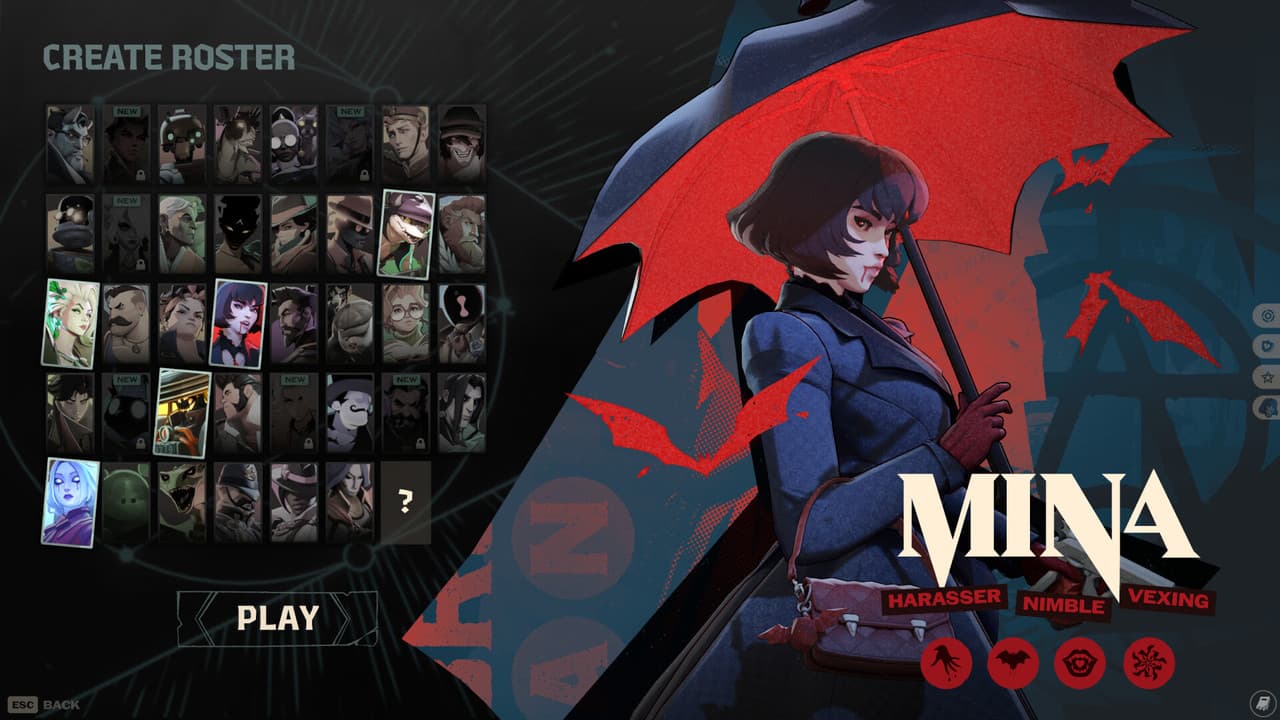
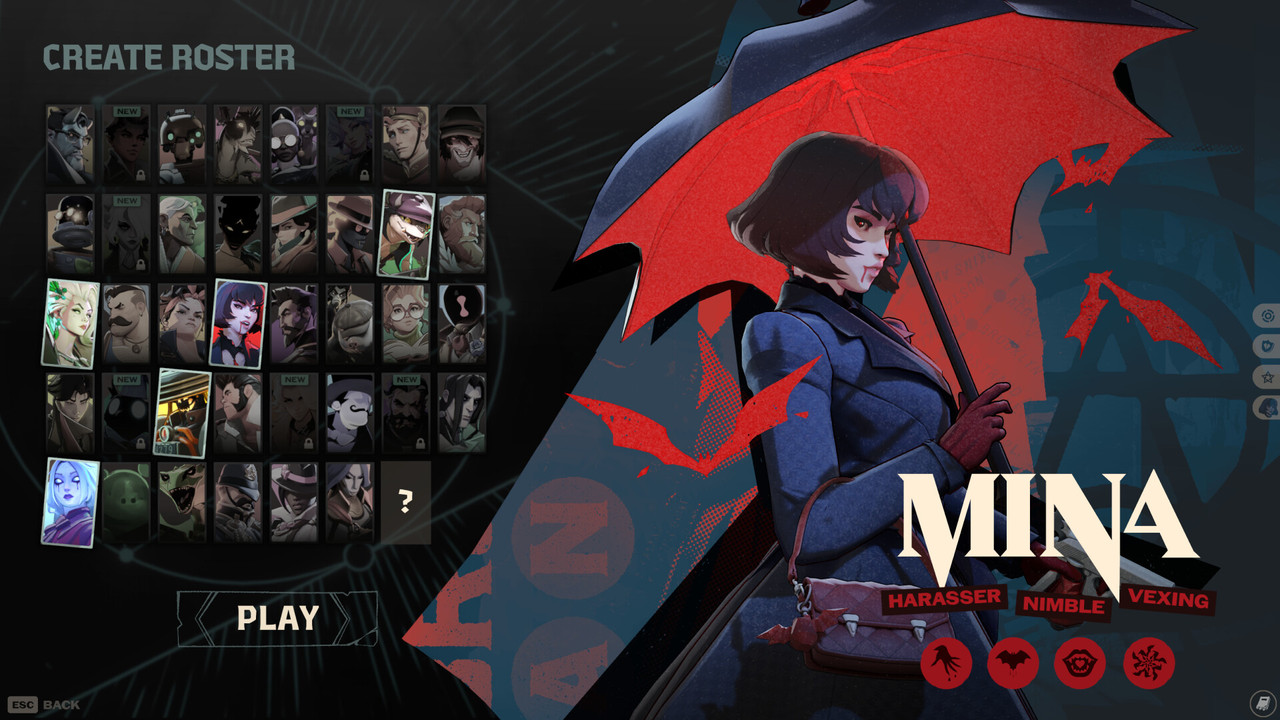
The roster currently sits above 23 heroes and is still growing. Valve has been using a Hero Labs system to trial new characters in experimental conditions before committing to their final kits, which suggests more additions are coming before launch.
When Will It Actually Release
Nobody outside Valve knows. The honest answer is late 2026 at the earliest, and that estimate comes from watching the pace of development rather than any official statement. Core systems like lanes, the shop, and itemization are still being reworked. When fundamental parts of the game are in flux, the game is not in polish mode.
Valve has a pattern of shipping games when they are satisfied rather than when a calendar demands it. Half-Life 2, Team Fortress 2, Dota 2 all followed the same slow-burn approach. Deadlock fits that pattern exactly.
If you want in before the eventual open beta, the only path is a friend invite. The Steam page has nearly 114,000 followers and the game has not publicly launched yet, which suggests the moment Valve opens the doors wider, it will pull serious numbers immediately.
Wishlist it, find a friend with access, and keep watching. Deadlock is not finished, but what is already there is worth paying attention to.

Written by
kio
Hello, good to see you here.❤️
daddykio@proton.me
Stay in the loop
Get the latest gaming news and reviews delivered to your inbox. No spam, unsubscribe anytime.