Black Myth Wukong launched August 20, 2024 and sold 10 million copies in three days. Here is why this is not a power fantasy but one of gaming's most tragic stories.
Most people came to Black Myth: Wukong for the combat. The 2020 gameplay reveal showed a monkey fighting a giant wolf in a blizzard with a staff that extended to crush the enemy into the ground, and the internet collectively lost its mind. Four years of anticipation later, the game arrived August 20, 2024, sold ten million copies in three days, and became the most played single-player game in Steam history at that time.
The combat delivered everything the reveal promised. What surprised people who actually finished the game was the story underneath it, which is not about triumph at all.
You Are Not Sun Wukong
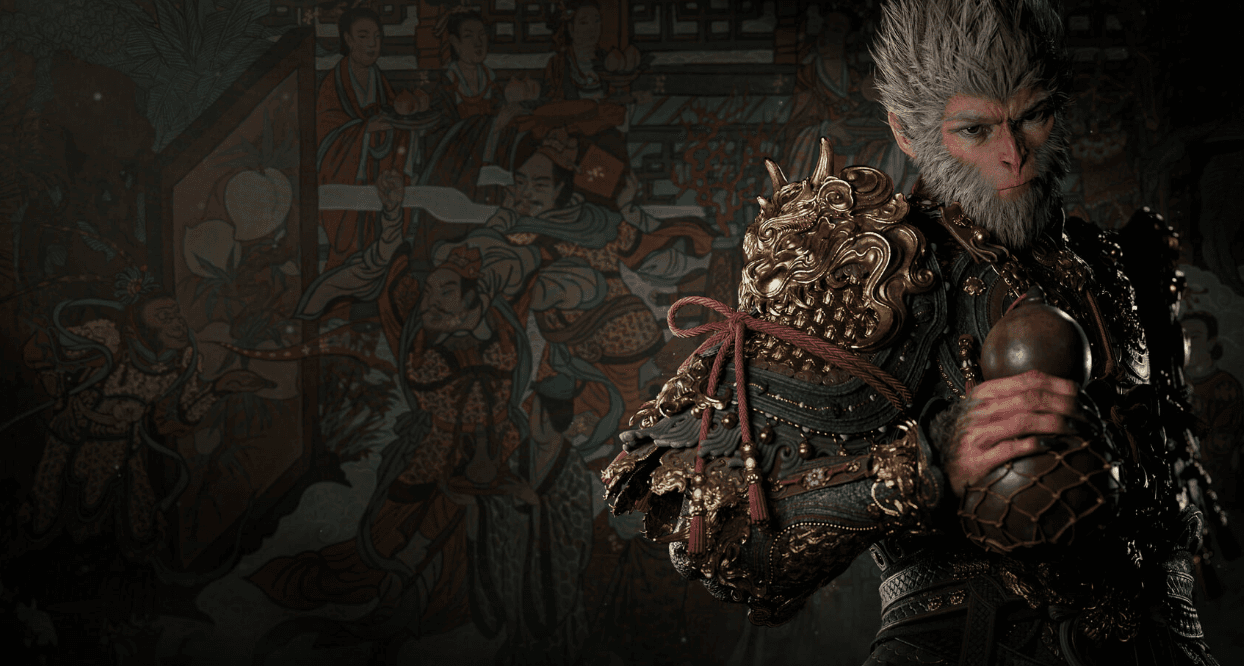
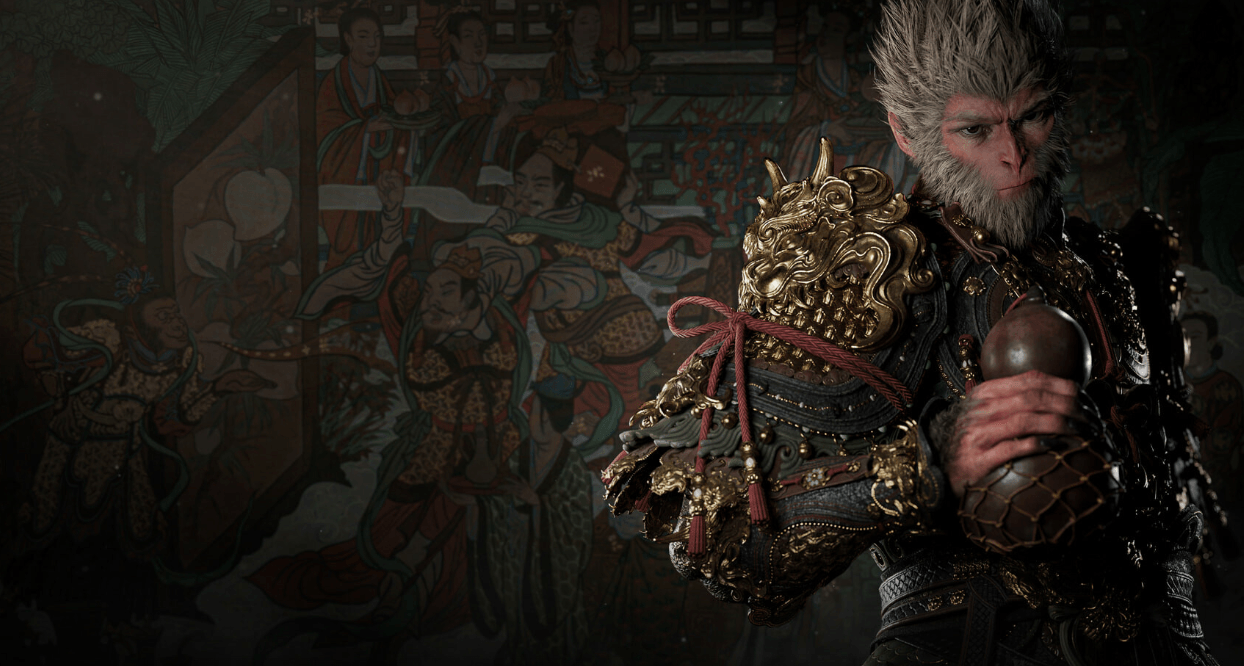
The game never tells you directly who you are playing as. The protagonist is called the Destined One, a monkey who sets out to collect the six relics that contain the scattered remains of Sun Wukong, the Great Sage Equal to Heaven. The journey takes him through six chapters, each set in a distinct region of China rendered with Unreal Engine 5 in such visual detail that the game became a tourism catalyst for the real locations it depicted.
Journey to the West, the 16th century novel the game draws from, is one of the most widely read books in human history. Its surface story follows the monk Tripitaka and his disciples, including Sun Wukong, travelling to India to retrieve Buddhist scriptures. The deeper story is about ego, punishment, and what it costs a being of extraordinary power to submit to something larger than himself. Black Myth: Wukong takes that deeper story and pushes it further into darkness than the novel ever went.
Sun Wukong in this game did not earn enlightenment. He was broken by it. The relic you spend the entire game assembling is what remains of someone who fought heaven, lost, served his sentence under a mountain for five hundred years, completed his pilgrimage, and then discovered that the reward waiting at the end was not what any of it was supposed to mean. The story the game tells in its final hours reframes everything that came before it, and players who reached the true ending came away describing it as one of the bleakest conclusions in gaming.
The Combat Is the Myth Made Physical
The Destined One fights with the Ruyi Jingu Bang, the same extending staff Sun Wukong wielded in the novel. The combat system built around it is not a Soulslike despite being compared to one constantly. Game Science described it accurately as a straightforward action RPG, and that framing is more honest. The emphasis is on fluid aggression rather than defensive patience. The staff extends mid-combo for devastating reach attacks, retracts for precise strikes, and the rhythm of a well-executed combo feels unlike anything else in the genre.
Spells layer on top of the staff combat with genuine strategic depth. Immobilize freezes enemies mid-attack to create punish windows. Clone creation draws enemy attention and extends combo chains. Shapeshifting lets the Destined One transform into defeated bosses temporarily, borrowing their size and moveset for a brief and spectacular window. The spells are not passive buffs. They are active combat tools that the best players weave continuously into the fight rather than saving for emergencies.
The bosses are where the game peaks. Each chapter contains multiple boss encounters built around distinct mythological figures from Journey to the West. The variety across six chapters keeps the combat system feeling fresh throughout a thirty-hour campaign. The interlude cutscenes between chapters use two-dimensional animation and stop-motion to tell fables that deepen the thematic context of whoever you just fought, adding a layer of mythological scholarship to what could have been simple spectacle.
What It Proved
Before Black Myth: Wukong, the conventional wisdom in Western gaming media was that a Chinese studio could not produce a world-class single-player action game. The conventional wisdom was wrong. Game Science had fewer than two hundred employees when they built one of the most technically demanding and commercially successful games of the decade.
The Xbox version arrived in 2025, bringing the game to its final major platform. A sequel is in development. The conversation about what Chinese studios are capable of building permanently shifted when the game launched, and that shift has already influenced how the entire industry thinks about where the next generation of landmark games will come from.
Black Myth: Wukong is available on PS5, Xbox Series X and S, and PC. The true ending requires specific conditions across multiple chapters and is worth looking up a guide for if you want the full story.

Written by
kio
Hello, good to see you here.❤️
daddykio@proton.me
Stay in the loop
Get the latest gaming news and reviews delivered to your inbox. No spam, unsubscribe anytime.