Baahubali The Eternal War Part 1 arrives in 2027 as an animated film following Amarendra into the afterlife across 14 realms. Here is why this is bigger than a sequel.
The question that haunted every Baahubali fan after The Beginning ended was never really why Kattappa killed Baahubali. That answer came in The Conclusion. The question underneath it, the one that lingered even after the duology finished, was simpler and harder: what happens to a man like Amarendra Baahubali after he dies?
He was too large a presence to simply end. Rajamouli built him as someone whose heroism bent reality around it, whose goodness was not a virtue but a force. A spear through the back is not a sufficient conclusion for that kind of character. The Eternal War Part 1 takes that instinct seriously and gives it the scale it deserves.
Amarendra Baahubali does not rest in peace. He wakes up in the afterlife and immediately finds a war already in progress.
Fourteen Realms and One Dead King
Indian cosmology does not have a simple heaven and hell binary. It has layered realms, each with distinct inhabitants, rules, and relationships to the mortal world above them. The Eternal War sends Amarendra through fourteen of them, which is not a metaphor or a stylistic choice. It is the actual structure of the afterlife as the film's mythology frames it, a vertical universe where gods and asuras have been fighting across realms that mortals never see and rarely understand the consequences of.
An asura named Vishasura serves as Amarendra's guide and protector through this world. The pairing is immediately unusual. Asuras in traditional mythology are the demons, the opposition, the forces that the gods spend considerable effort defeating. Amarendra being protected by one rather than fighting one signals that The Eternal War is interested in complicating the binaries the original films operated within. Good and evil were clear in Mahishmati. In the afterlife, the lines are drawn differently.
The war he walks into is between the Devas and the asuras in Paataala Lokam, the lowest of the realms. Indra, king of the gods, appears as an antagonist in the teaser, which is a genuinely striking choice. Indra is not a villain in conventional Hindu mythology. Positioning him against Amarendra suggests the film is willing to use its cosmological setting to ask questions the live-action films never had the structural room to raise.
The Animation and Why It Matters
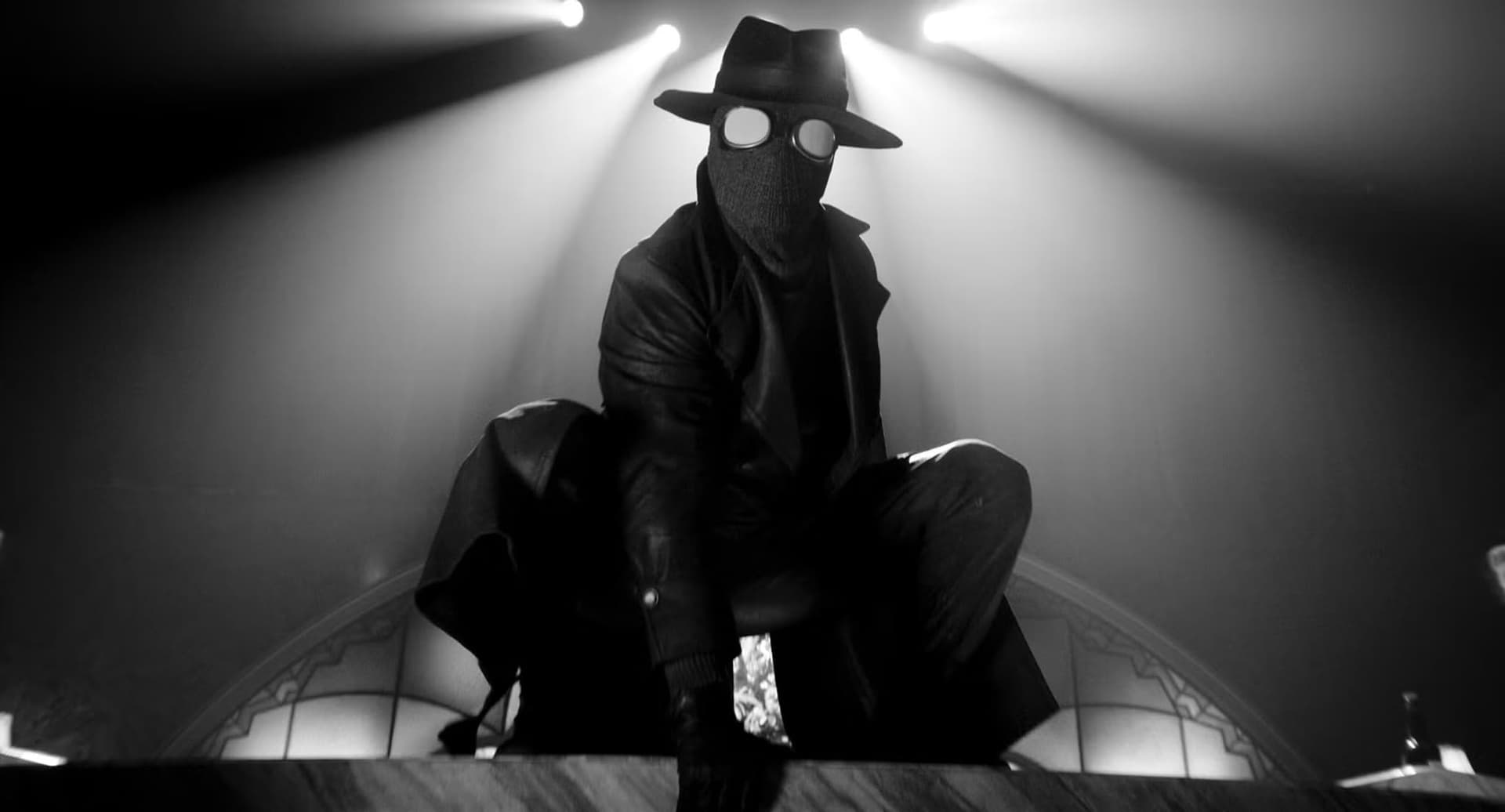
The studios behind The Eternal War's visual production represent the most ambitious assembly of animation talent any Indian production has commissioned. The teams responsible for the Spider-Verse films and the Arcane series worked on this project alongside Indian studios Arka Productions and Zaratan. That combination is not a marketing bullet point. It is a direct statement about the visual ambition the production is reaching for.
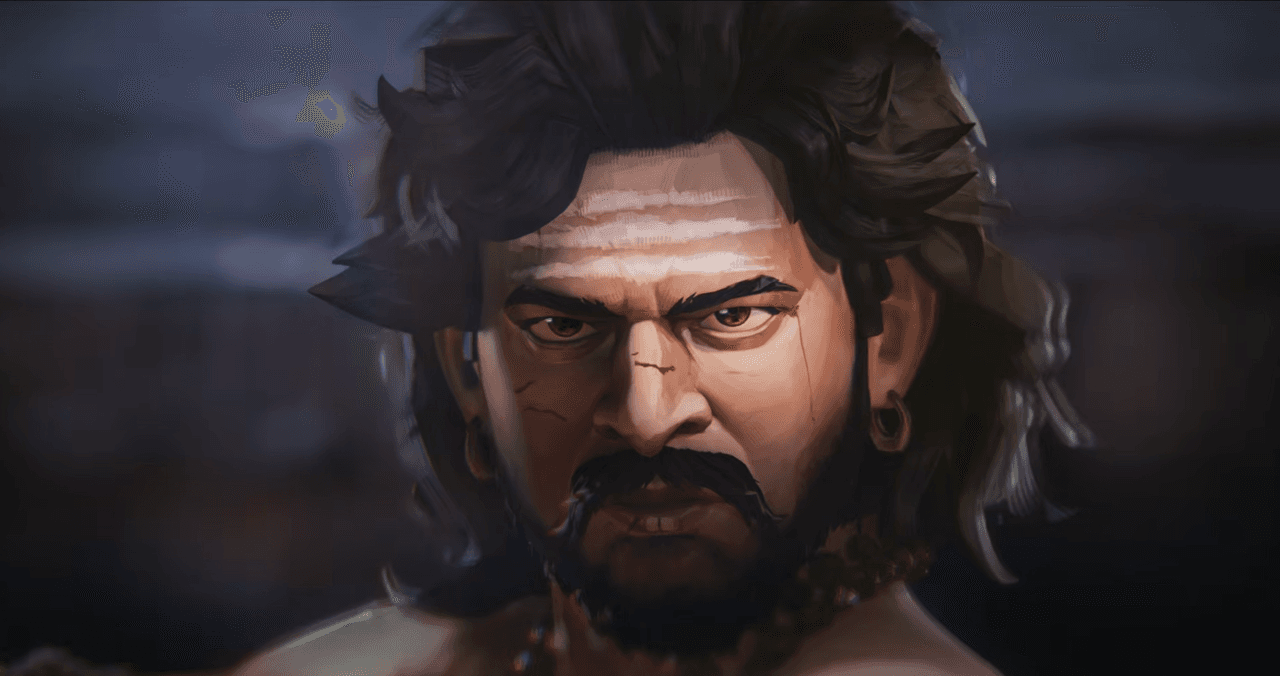
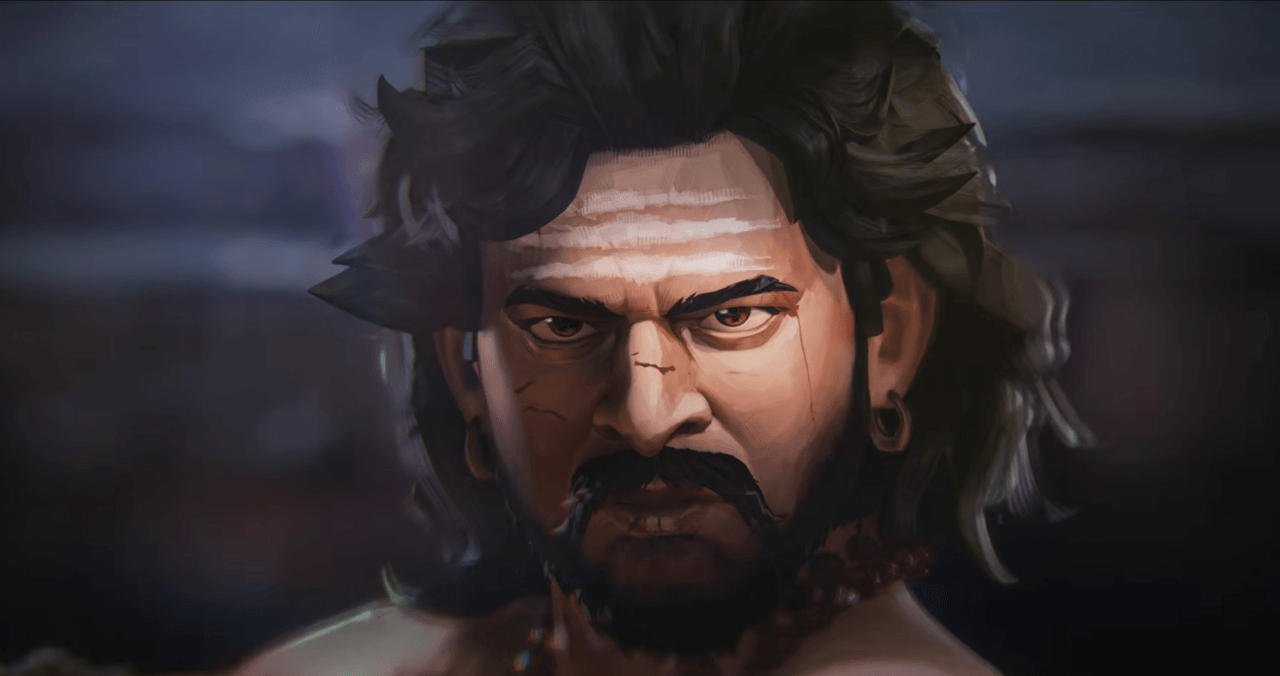
The teaser shows footage transitioning from the live-action style of the original films into an animated aesthetic built specifically for the afterlife sequences. The shift is not jarring. It is deliberate, the visual language changing as the story crosses from the mortal world into something that obeys different rules. Fast-paced combat sequences in celestial environments with devotional music underneath them create a tonal register that Indian animation has never previously attempted at this budget level.
Director Ishan Shukla, whose previous work includes Star Wars: Visions, approached Arka Productions with the concept for this expansion. Rajamouli, who stepped back from directing to present the project, described the idea as clicking instantly as a seamless organic extension of the universe. That endorsement matters less as marketing than as a creative signal. Rajamouli has spent over a decade protecting this franchise's identity. His comfort with handing direction to someone else says something about the strength of the vision Shukla brought.
The Voices Returning and What That Costs
Prabhas returns to voice Amarendra Baahubali. Ramya Krishna returns as Sivagami. Both actors spent years inhabiting these roles across the original films and Baahubali: The Epic, the re-edited combined version released in October 2025. Their return gives the animated film a vocal continuity that keeps Amarendra feeling like the character audiences know rather than a version of him built from a new interpretation.
MM Keeravani composes the score. His music was the emotional architecture of both original films and his involvement here guarantees the sonic identity the franchise built across two decades remains intact regardless of how different the visual medium is.
Why 2027 and What Comes After
The Eternal War is a two-part story. Part 1 arrives in 2027. Part 2 follows, likely in 2028 based on the production trajectory. The split reflects the scope of the material rather than a commercial calculation. Fourteen realms across a cosmic war between gods and asuras cannot be compressed into a single theatrical runtime without losing the texture that makes the journey meaningful.
For Indian cinema, the significance of this project goes beyond the franchise. An Indian animated film built with Spider-Verse and Arcane talent, directed by someone with Lucasfilm experience, scored by one of the industry's most celebrated composers, and based on the highest-grossing Indian film series in history is a different category of project from anything the country's animation industry has previously attempted at theatrical scale.
What happens when Baahubali wakes up in the afterlife is the question. The answer takes two films and fourteen realms to tell properly. 2027 is when it starts.

Written by
kio
Hello, good to see you here.❤️
daddykio@proton.me
Stay in the loop
Get the latest gaming news and reviews delivered to your inbox. No spam, unsubscribe anytime.