2XKO launched January 20, 2026 as a free 2v2 tag fighter built on League of Legends champions. Here is why it works when most free fighting games do not.
Free to play fighting games have a bad track record. The genre runs on execution and knowledge, both of which take real time to develop, and most free models either wall off characters behind grinding that makes new players feel permanently behind or flood the roster so fast that the meta becomes incomprehensible within months. Riot Games had years to watch those failures before 2XKO launched on January 20, 2026, and the game they shipped reflects a studio that did its homework.
2XKO is not perfect. But it is the most thoughtfully designed free fighting game since the genre started experimenting with the model, and the community it has built in five months of full release backs that up with actual numbers.
What 2v2 Actually Means Here
The tag format is not cosmetic. Every decision in how 2XKO's systems work flows from the premise that you are always playing with two champions, whether you control both yourself or share with a partner sitting next to you or online.
Playing solo means switching between your two champions in real time during a match, using one to create pressure while the other recovers, calling in assists at specific moments to extend combos or cover defensive gaps. Playing with a partner means genuine coordination: who goes in first, whose assist covers whose approach, how the two kits combine into something more dangerous than either character alone. The same match plays completely differently depending on which mode you choose, which is not something most fighting games can claim about their core systems.
The Fuse system sits underneath all of that. Each team builds a Fuse gauge during the match that unlocks a joint ability specific to the combination of champions you chose. The Fuse between Jinx and Yasuo does something different from the Fuse between Ahri and Blitzcrank. Building a team around what you want the Fuse to do adds a layer of preparation that rewards players who engage with the roster deeply rather than picking two characters they individually enjoy.
The Roster and How It Keeps Growing
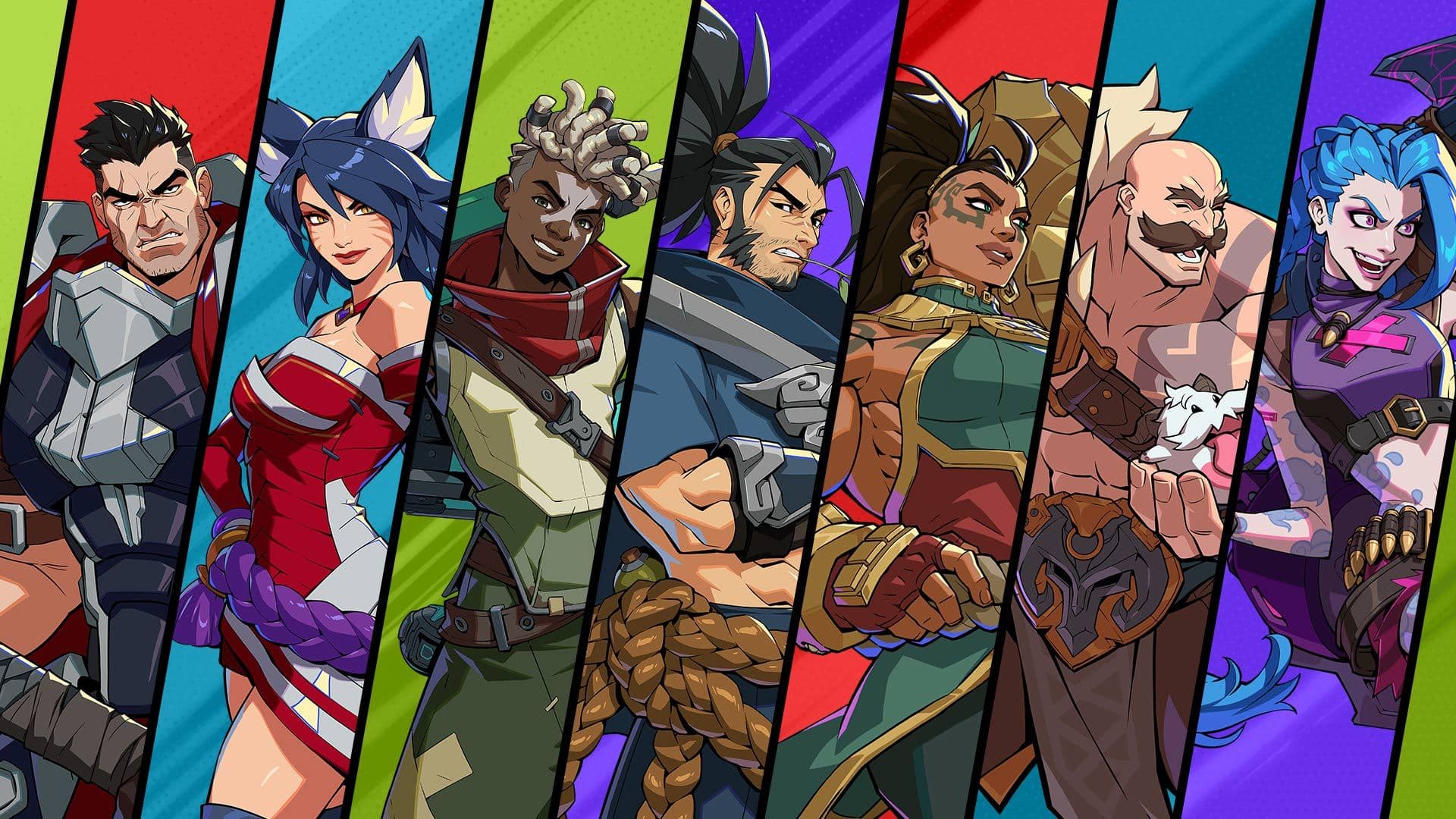
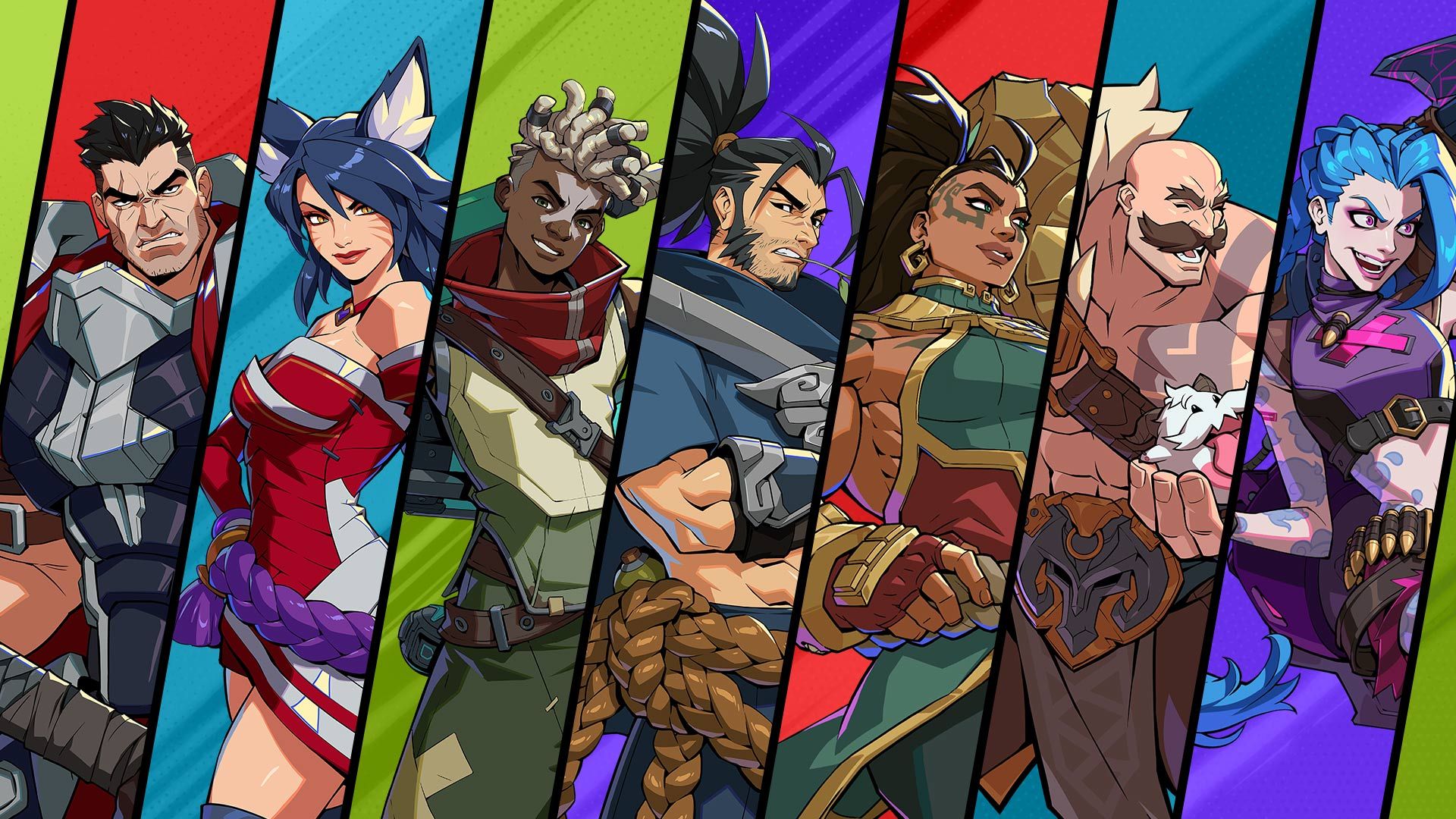
The launch roster drew from League of Legends and Arcane, redesigning each champion's kit from scratch for close-range fighting game mechanics rather than adapting MOBA abilities directly. Ahri, Ekko, Yasuo, Jinx, Vi, Blitzcrank, Darius, Warwick, Teemo, and Caitlyn shipped at console launch in January. Each plays distinctly enough that the roster felt larger than the number suggests.
Five seasons per year is the current cadence, each roughly ten weeks long and introducing a new champion. Akali arrived in April with a mobility-focused kit built around speed and burst that immediately split the community between players who found her exciting and players who found her oppressive. Senna joins June 9, her spacing and support tools expected to enable more patient team compositions than the current aggressive meta favours.
The Blood Moon Akali skin was distributed as a participation reward at Evo Japan, and EVO 2026 participation rewards have already been announced with Pool Party Senna art confirmed for attendees. Riot treating major tournaments as content moments rather than just competitions feeds back into player investment in the competitive scene before most people are anywhere near good enough to compete in it.
Why the Business Model Works
Champions are free to unlock through play. The in-game store sells cosmetics: skins, emotes, and the Battle Pass. Nothing in the store improves gameplay or provides statistical advantage. Riot committed to that publicly and the first five months have held to it.
The Frame Perfect competitive skin line from Season 1 directed a portion of sales toward community tournament prize pools and production costs. Over 1,500 community-organised tournaments ran worldwide before the console launch. For a game that was still in Early Access on PC during that period, the competitive infrastructure that existed before the full release was remarkable.
The Local Duos mode added in April 2026 let two players share a single console for versus play, removing the barrier of needing two setups to play the game together in person. In-game voice chat arrived with the same update. Both addressed the two most common friction points players had raised since October 2025.
Where the Competitive Scene Stands
2XKO appeared at Evo Japan 2026 and EVO 2026 is confirmed on the calendar. For a game that launched its full version five months ago, major tournament presence at the two biggest fighting game events in the world puts it in conversation with games that have been building competitive communities for years.
The skill gap between new and experienced players is real and steep. Fighting games always have this problem and 2XKO does not solve it completely. The Learning Hub added in a recent patch improved tutorial depth, but the gap between understanding systems and applying them under pressure against a competent opponent is something only matches close it.
Free, crossplay, cross-save between PC and consoles, and a roster that adds a champion every two months. For the price of downloading it, 2XKO is worth finding out whether it is the fighting game that finally keeps you.

Written by
kio
Hello, good to see you here.❤️
daddykio@proton.me
Stay in the loop
Get the latest gaming news and reviews delivered to your inbox. No spam, unsubscribe anytime.